Is Samaná Safe For Tourists?
A clear-eyed look at tourist safety in Samaná: licensed whale boats, the rules that govern them, road and hurricane-season facts, and where to check official advisories before you book.
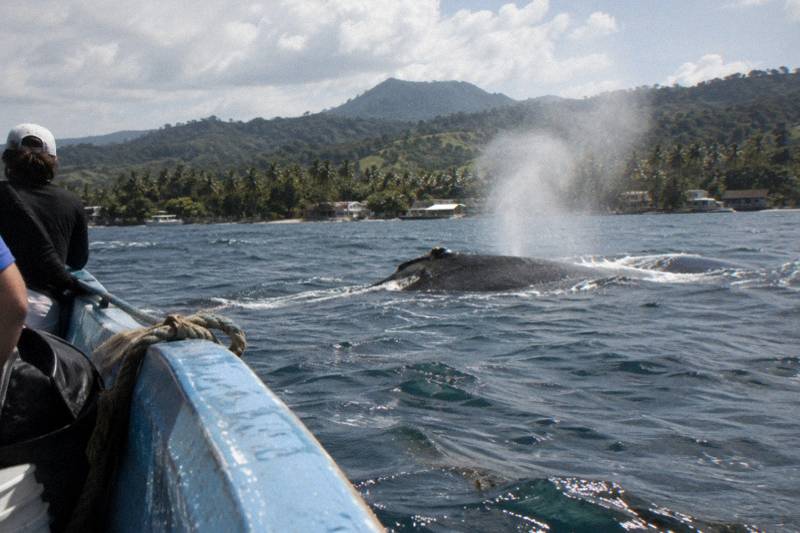
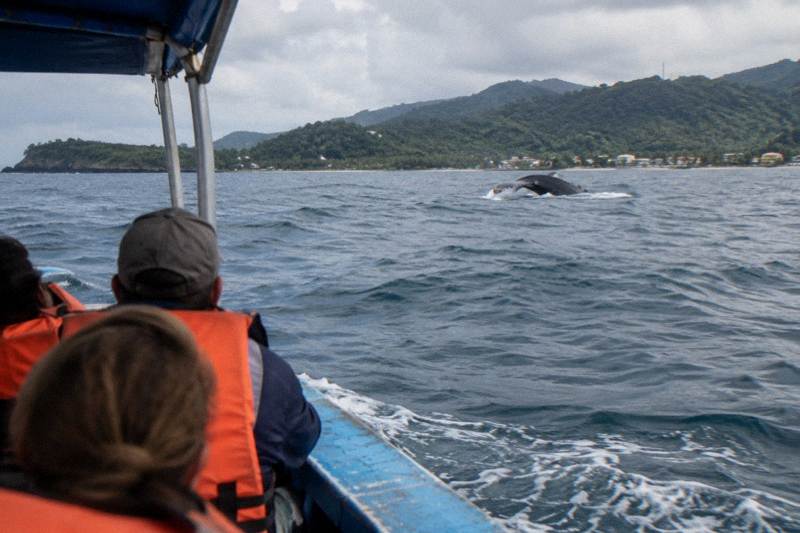
Samaná draws most of its visitors for one reason: humpback whales gather in the bay between mid-January and the end of March, and a licensed fleet takes people out to watch them. The whale and Cayo Levantado full day from Avenida La Marina, from $84 per person, is the most-reviewed trip listed here, 4.7 from 224 reviews. Around it sit quieter options like the 3-hour bay cruise from the same dock and the 6-to-7-hour trip with snacks from $45, plus a steady stream of day trips from Punta Cana, Las Terrenas and Santo Domingo.
The honest answer is that Samaná's main visitor activity is a regulated one, and the regulations are enforced by a government ministry with named rules, licensed boats and on-water monitoring. The structure is unusually clear for a boat tourism destination.
The backbone of that structure is the Centro para la Conservación y Ecodesarrollo de la Bahía de Samaná y su Entorno, known as CEBSE, which has applied whale-watching rules in the bay since 1996 under licence from the Ministry of Environment and Natural Resources. For the 2026 season the ministry issued 46 environmental authorizations: 43 for thematic operations in Samaná and 3 dispatched from Puerto Plata. The permits were processed digitally for the first time, which the ministry presented as a transparency measure. A boat without that authorization is not part of the system, and that distinction is the single most useful thing a visitor can check before handing over money. If you want the fuller picture before booking, our guide to whale watching in the Dominican Republic covers when the season runs, how the sanctuary rules work, and what a fair price looks like.
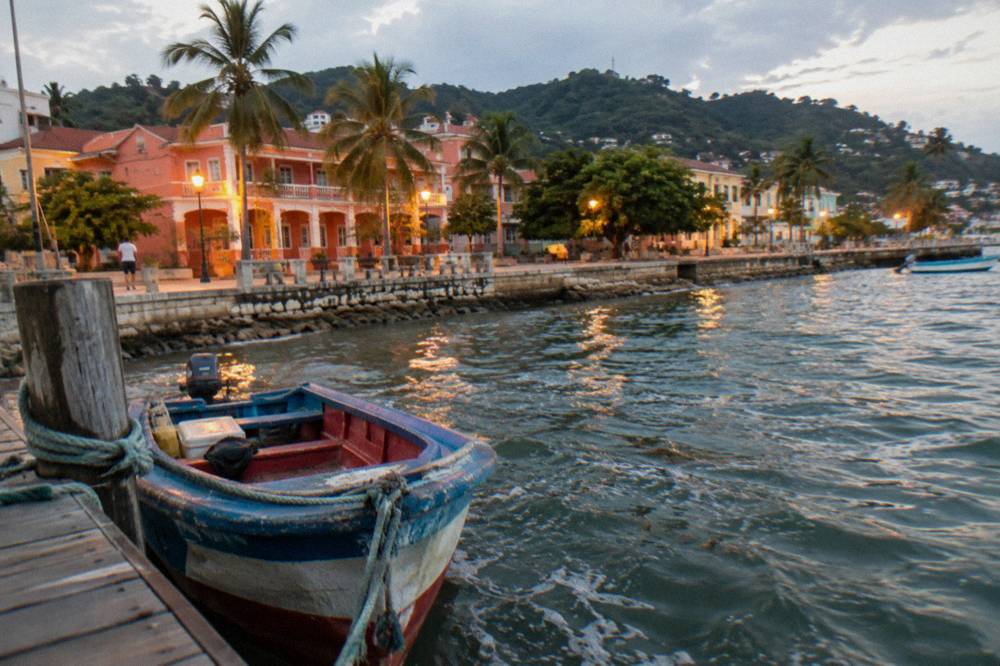
Around the boat day sits an ordinary small-town tourism picture: a malecon waterfront, hotels, road connections through the DR-7 toll highway, and a seasonal economy that swells between January and March. None of this makes a place risk-free, and no place is, but it does mean the activity most tourists come for operates inside a rulebook rather than outside one.
The featured whale and Cayo Levantado day, the Las Terrenas departure, and the 3-hour bay cruise each suit a different kind of visitor, and all three depart from the regulated bay or from a named meeting point. The rest of this article walks through what safety actually looks like on the water, on the road and in the planning stages.
How Safe Is The Whale Watching Boat Day?
On a licensed boat, the listing lists what is provided, and the cruise-port excursion listing, for example, names a safety briefing, life jackets and a local guide among its inclusions; other listings state life jackets only where the listing shows so. The rules cap observation time at 30 minutes per whale group, keep engines on in the observation area, and set distances of 80 meters from mothers with calves and 50 meters from any other group.
Those numbers come from CEBSE, which publishes them on its bay panel, and they matter for passengers as much as for whales. Boats that keep set distances and stay in a rotation are boats operating predictably, with a maximum of 3 vessels per whale group and a fourth waiting 250 meters away. When whales are scarce, the observation window is halved. The engine rule sounds counterintuitive but has a logic: a running engine keeps a boat maneuverable near animals, and switching off in the observation area is prohibited.
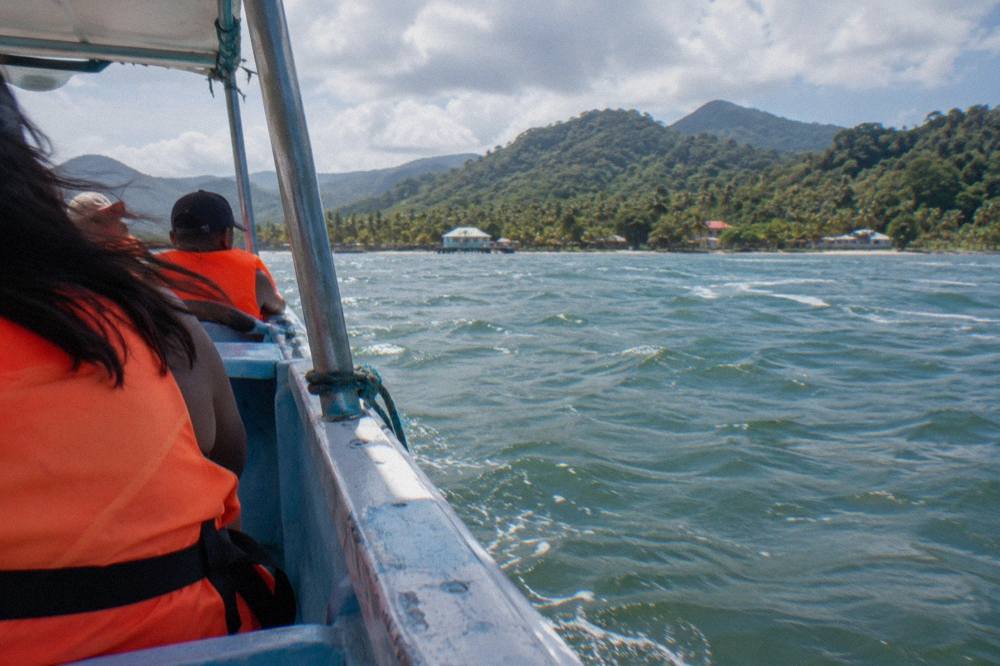
The Samaná cruise-port shore excursion, from $100 per person, lists a safety briefing, life jackets, round-trip boat transportation and a local guide among its inclusions. The half-day humpback trip from Restaurant Royal Samaná, from $95, lists life jackets, snacks, entry tickets and a tour guide. The whale and ATV combo lists a life jacket, captain and crew, ATV helmet and ATV guide. Where a listing does not mention life jackets, that is a fact about the listing, not an accusation: the listing may simply not itemize them, and asking the operator directly is reasonable and quick.
| Listing | Departure point stated | Life jackets stated | Safety briefing stated | Price from |
|---|---|---|---|---|
| Cruise-port shore excursion | Puerto de Samaná | Yes | Yes | $100 per person |
| Half-day humpback trip | Restaurant Royal Samaná | Yes | Not stated | $95 per person |
| Whale, city bridges and ATV combo | Zabora Bistro, Av. La Marina | Yes | Not stated | $145 per person |
| Whale and Cayo Levantado full day | Av. La Marina 3, Samaná | Not stated | Not stated | $84 per person |
| Trip with snacks | Not stated | Not stated | Not stated | $45 per person |
The two "not stated" columns on the featured day are worth reading correctly: an inclusion list that omits life jackets does not mean there are none, only that the listing does not itemize them, and the operator will answer the question directly. For what a normal trip feels like hour by hour, the guide to what to expect on a Samaná whale watching boat walks through the whole day.
Sea state is the other half of boat-day comfort. Climate summaries for January to March describe water around 26 to 27 degrees, air highs of 28 to 29 degrees, and mornings that are often calmer than afternoons, when trade winds can chop the bay up. Operators typically run their trips in the morning for exactly this reason; the Whale Samana operator page, one operator's schedule rather than a universal rule, lists a 10:00 departure in the early and late season and two daily trips at 09:00 and 13:30 in the peak weeks. If rough water is a concern for anyone in your group, the piece on seasickness on Samaná whale watching boats goes deep on timing and seating.
Is Booking A Whale Tour In Samaná Safe?
Booking through an operator's live listing gives you a written record of what is included, a stated departure point and a contact channel, which is a better position than arranging a boat on the dock by cash and handshake. No honest listing promises a sighting; read the cancellation terms on the listing itself before you pay.
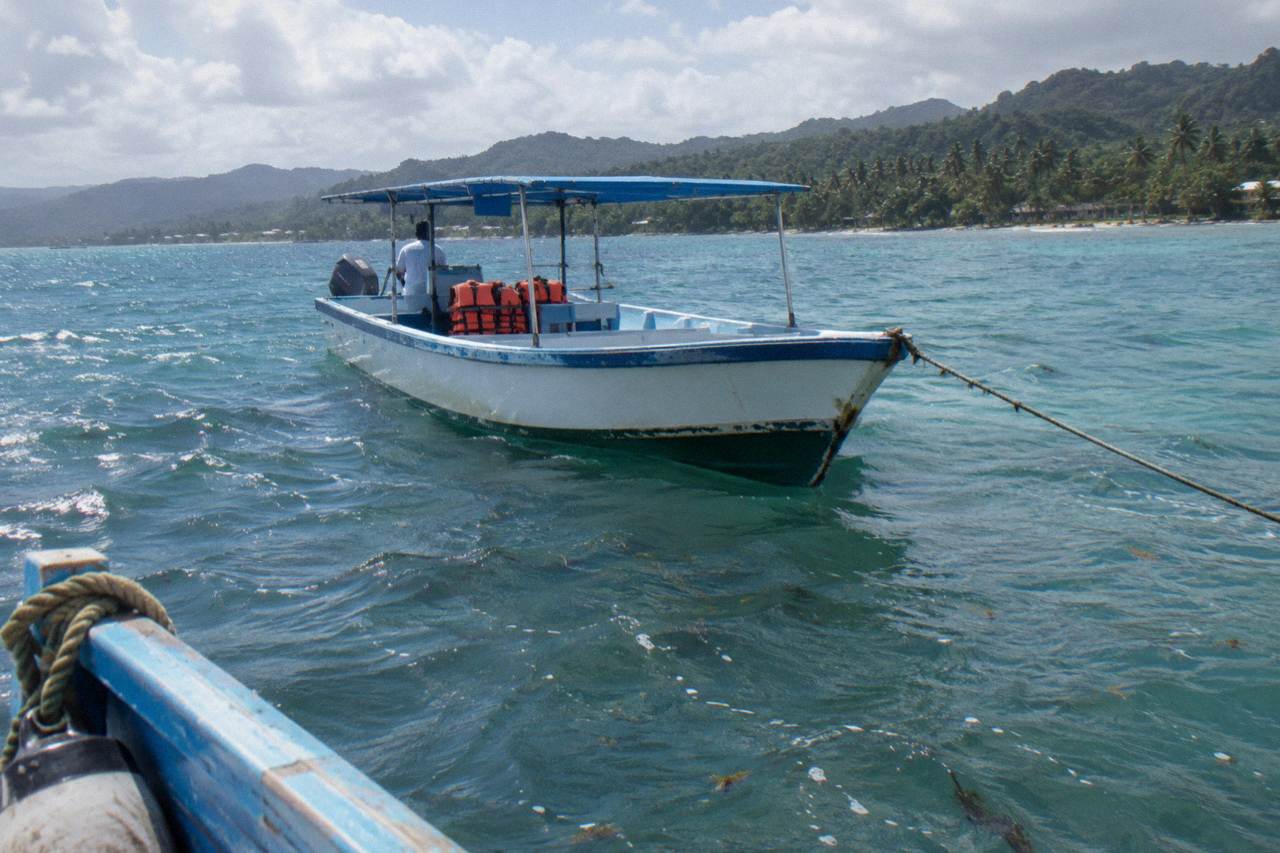
The featured whale and Cayo Levantado full day departs Av. La Marina 3 in Samaná town. The cruise-port excursion departs Puerto de Samaná. The Las Terrenas departure starts from a stated Las Terrenas meeting point. A listing that will not tell you where the boat leaves from, or that changes the meeting point by message at the last minute, is a listing to question.
What Rules Keep Boats And Whales Apart?
The full CEBSE rule set is: 80 meters from mothers with calves, 50 meters from other groups, at most 3 boats per group with a fourth waiting 250 meters away, 30 minutes maximum per group when boats are waiting, engines on in the observation area, no swimming with whales in Samaná Bay, and no drones inside the sanctuary without ministry permission.
These rules are printed on CEBSE's own bay panel, and the organization has applied them in the bay since 1996, licensed by the ministry. For passengers they translate into a slower, more orderly encounter than an unregulated chase: boats rotate, keep their distance, and move on. For the 2026 season the ministry also ran a voluntary GPS pilot on licensed vessels, using a platform that allowed real-time tracking coordinated with the Dominican navy, which strengthens the case for choosing an authorized operator over a beachfront offer.
Not everything offered around the bay is legal. Swimming with humpbacks is prohibited in Samaná Bay; it is allowed only at Banco de la Plata, far offshore, under strict permits held by live-aboard operators. Press reporting has described illegal swimming offers from Las Galeras and unauthorized drone flights near whales, which is precisely why the licence check matters. A traveler who is offered a swim with whales from anywhere in Samaná Bay is being offered something outside the rules, whatever the pitch says.
For context on why the rules are this strict, the sanctuary page on the Samaná Bay humpback sanctuary explains what the bay is to the whales that gather here each winter. The short version: this is a mating and calving ground, and the animals in it are often mothers with newborn calves.
If you want the shortest, cheapest way to see the system work, the 3-hour bay cruise from Avenida La Marina runs the same rules as every licensed trip, with coconut snacks, water, soft drinks, a guide and a boat ride, from $69 per person, 4.5 from 126 reviews.
It is a genuine option for visitors who want the water and the whales without committing a full day, and its review pool is one of the largest among Samaná departures.
What About Roads And Driving To Samaná?
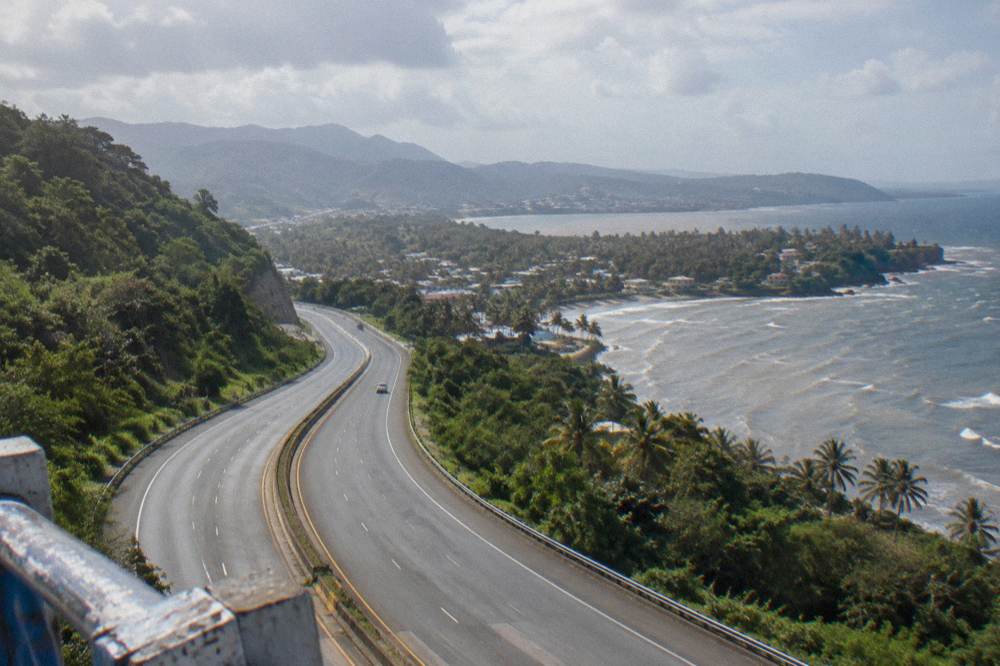
The DR-7 toll highway connects Santo Domingo to Samaná in about two hours, with a toll of roughly RD$500 each way for a category 1 vehicle; from Punta Cana the drive runs roughly 3.5 to 5.5 hours one way, from Puerto Plata about 3 hours 48 minutes, and from Las Terrenas to Samaná town roughly an hour.
The DR-7, the Autovía del Nordeste, replaced a much longer mountain road and is the reason a same-day whale trip from the capital is realistic at all. Three toll booths sit along it, cash is preferred, and change may come in pesos. The road itself is a modern divided highway, which changes the risk conversation considerably compared with the coastal routes visitors might picture. The full index of guides sits on Whale Tours Samana.
The longer drives deserve honest framing. A Punta Cana departure means 7 to 11 hours of round-trip driving wrapped around 3 or more hours on the water, which is why so many Punta Cana listings are 10 to 13 hour days; the 8-hour full-day trip from $130 bundles hotel pickup. A private transfer from Punta Cana to Samaná runs from about $240 per vehicle, reported by transfer operators, worth weighing against a day-trip listing that includes transport. Las Terrenas sits roughly an hour from Samaná town on a paved road via Sánchez, and the Las Terrenas whale departure from $125 lists a Las Terrenas meeting point, which removes the drive question entirely.
Two practical notes on road travel, from the general reporting on the region rather than any dated incident: drive in daylight where you can, since rural roads after dark are a different experience from the toll highway, and check the official government travel advisory page before booking, because conditions and guidance change. The transfer guide at Samaná airport and transfers to Las Terrenas covers arrival logistics in detail.
When Is Hurricane Season And Does It Matter?
The Atlantic hurricane season runs officially from 1 June to 30 November, with peak activity from August to October; the whale season, mid-January through March, falls entirely outside it, which is why the two calendars almost never collide for a whale-bound visitor.
This is the cleanest safety fact on the page. The ministry's 2026 opening set the whale season from 15 January to 31 March, and CEBSE's own panel prints a March close, so the standard advice is to think "mid-January through March" without a hard last day. The months when a hurricane could plausibly affect the Dominican Republic coast are the months when no whale boats are running whale trips at all.
For anyone traveling in the June-to-November window for beaches rather than whales, the ordinary precautions apply: keep an eye on official weather sources, know your departure route, and check the advisory pages listed in the next section. For anyone coming between January and March, hurricane season is a footnote, and sea state in the bay is the more relevant daily question. If you're weighing which month suits your trip best, the month-by-month guide to Samana weather and sea state puts the verified figures side by side.
Where Do You Check Current Travel Advisories?
The right sources are your own government's official travel advisory page for the Dominican Republic, the Ministry of Environment's whale-watching pages for season and authorization facts, and CEBSE's published rules for the bay; no blog, including this one, substitutes for the first of those.
Advisories are living documents, updated when circumstances change, and a static article that quoted one would mislead you the week it aged. The ministry's environment pages publish the season openings, the authorization counts and the permit process; the 2026 opening, the 46 authorizations and the 2027 permit call all live there. CEBSE's bay panel carries the boat rules quoted above. Your government's travel advisory page carries the country-level guidance.
What Should You Know About Health And Practical Safety?
The practical layers are sun, water and motion: climate summaries for the January-to-March season describe air highs of 28 to 29 degrees and water around 26 to 27 degrees, mornings calmer than afternoons, so sun protection and motion planning matter more than most visitors expect. The packing guide covers the rest.
On-water hours add up. Even the 3-hour bay cruise is 3 hours of reflected sun and open wind, and the full days with a Cayo Levantado stop add a beach stretch where towels and reef-safe sunscreen earn their place; the Punta Cana listings that exclude towels and sunscreen say so on their exclusion lines. The guide on what to wear and bring whale watching in Samaná is the practical companion here.
Health rules are a listing-by-listing matter. No listing states an age limit or a health policy, so the honest instruction is to check the listing for the operator's age and health rules rather than assume a standard exists. Pregnancy, back problems and small children are all reasonable things to raise with an operator before booking, and a reputable one will answer directly.
One reassurance that belongs on a page like this: the biggest single mistake would be booking an unlicensed boat, and it is also the easiest to avoid. A licensed operator leaves from a stated dock, publishes stated inclusions and operates under rules with real distances and times attached. The featured whale and Cayo Levantado full day from Avenida La Marina fits that description, with buffet lunch, snacks, drinks, guide and boat ride from $84 per person. The budget trip with snacks from $45, 4.9 from 20 reviews, runs the same licensed bay under the same rules, proof that the safety structure does not depend on the price point.
For a wider sense of whether the peninsula rewards the trip at all, the longform take in is Samaná worth visiting weighs the whole picture beyond the boat day.
Common Questions About Tourist Safety In Samaná
Are the whale watching boats licensed?
Yes, in the sense that the ministry issued 46 environmental authorizations for the 2026 season, 43 of them for Samaná operations. Boats operating under those authorizations follow the CEBSE rules on distance, boat counts and observation time. Ask any operator whether they hold the current authorization before booking.
Do the tours provide life jackets?
Some listings state life jackets explicitly, among them the cruise-port shore excursion and the whale and ATV combo; others do not mention them, which may simply mean the listing does not itemize them. Check the listing's inclusions line and ask the operator directly if it is not stated.
Can you swim with whales in Samaná?
No. Swimming with whales is prohibited in Samaná Bay. It is allowed only at Banco de la Plata, far offshore, under strict permits held by live-aboard operators, roughly US$3,500 to 5,500 for a week. Any offer to swim with whales from Samaná Bay, including from Las Galeras, is illegal.
Is the drive to Samaná difficult?
The DR-7 toll highway from Santo Domingo takes about two hours with a toll of roughly RD$500 each way. From Punta Cana expect roughly 3.5 to 5.5 hours one way, from Puerto Plata about 3 hours 48 minutes. Daylight driving on the main roads is straightforward; many visitors book listings that include hotel pickup instead.
Does hurricane season affect whale watching?
No, the calendars do not overlap. Hurricane season runs 1 June to 30 November, peaking August to October, while the whale season runs mid-January through March. A whale-bound visitor in season is outside the hurricane window entirely.